

25 November 2026 · 19 min read
Sculptra®: The Science of Collagen Stimulation, the History of an Injectable Implant and Why It Demands Respect
 Written byDr Lorenzo Garagnani MBE
From its origins in the treatment of HIV-associated facial lipoatrophy to its modern use in aesthetic medicine: understanding poly-L-lactic acid, tissue remodelling and the consequences of introducing a material that cannot simply be dissolved.
Key facts at a glance
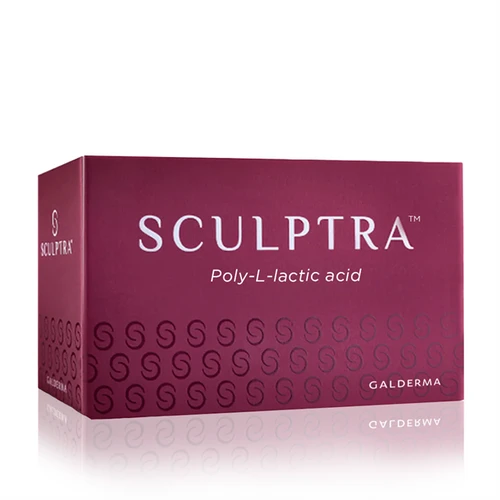
- What it is: Sculptra® is an injectable implant of poly-L-lactic acid (PLLA) microparticles, made by Galderma. It is a collagen stimulator (biostimulator), not a hyaluronic acid filler.
- How it works: it triggers a controlled tissue response that leads fibroblasts to lay down new collagen, so results build gradually over weeks and months.
- History: first used in Europe as New-Fill; FDA approved in August 2004 for HIV-associated facial lipoatrophy, and in July 2009 for facial wrinkles and contour deficiencies.
- Cannot be dissolved: hyaluronidase does not break down PLLA. It is biodegradable, but not reversible.
- Risks: papules and nodules, foreign-body granulomas, delayed inflammatory reactions and vascular complications.
- At SE1: Sculptra® at SE1 Medical Aesthetics is carried out by specialised aesthetic doctors only, at £600 per vial.
Introduction: Not all injectables are created equal
The popularity of collagen-stimulating treatments has transformed aesthetic medicine. Increasingly, patients are looking beyond immediate volume replacement and seeking treatments that work with the body's own biological processes to improve tissue quality, structural support and skin thickness.
Sculptra® is one of the most established treatments within this category. Its active component, poly-L-lactic acid (PLLA), stimulates a gradual biological response that encourages the production of new collagen within treated tissues.
However, there is an important distinction that is sometimes lost in the commercialisation of aesthetic medicine.
It is biodegradable, but it is not immediately reversible. Unlike hyaluronic acid fillers, it cannot be dissolved using hyaluronidase. Once injected, the clinician cannot simply administer an enzyme to remove the material or switch off the biological response it has initiated.
This is not a reason to dismiss the treatment. It is a reason to understand it.
To appreciate the clinical responsibility associated with Sculptra, it is worth examining not only how it works, but also where it came from, why it was developed and what its history teaches us about modern aesthetic medicine.
1. The history of PLLA: From HIV-associated facial lipoatrophy to modern aesthetic medicine

To understand why poly-L-lactic acid deserves such careful consideration, it is important to understand its medical origins.
The development of PLLA as an injectable treatment was closely associated with the management of HIV-associated facial lipoatrophy, a condition that became particularly significant during the early era of highly active antiretroviral therapy (HAART).
The clinical problem: HIV-associated lipodystrophy
During the 1990s and early 2000s, certain antiretroviral treatment regimens were associated with HIV-associated lipodystrophy syndrome.
This syndrome could involve substantial alterations in body fat distribution, including peripheral fat loss affecting the limbs, buttocks and face, sometimes accompanied by central fat accumulation.
Facial lipoatrophy was particularly distressing.
Patients could develop profound loss of subcutaneous facial adipose tissue, especially around the cheeks, temples and other facial compartments. The resulting skeletal appearance could be associated with considerable psychological distress, social stigma and reduced quality of life.
Importantly, this was not simply an issue of facial ageing or cosmetic dissatisfaction. It was a clinically significant manifestation of a complex metabolic and treatment-associated condition.
For some patients, facial volume loss became an outwardly visible reminder of their HIV diagnosis, potentially exposing a diagnosis they might otherwise have chosen to keep private.
Restoring facial volume therefore had implications beyond appearance. It could contribute to psychological wellbeing, confidence and quality of life.
The introduction of poly-L-lactic acid
PLLA emerged as a potential treatment because of its ability to stimulate tissue augmentation through collagen production.
The product was initially developed and used in Europe under the name New-Fill, subsequently becoming known internationally as Sculptra.
Its application in HIV-associated facial lipoatrophy represented an important development in injectable biomaterials.
Rather than simply replacing lost volume with a temporary gel or transferring fat from another anatomical location, PLLA offered a different approach: stimulating the patient's own connective tissue to progressively restore some of the lost soft-tissue volume.
Early clinical experience demonstrated that repeated injections could produce measurable improvements in facial tissue thickness and patient satisfaction.

In August 2004, the United States Food and Drug Administration (FDA) approved Sculptra for the restoration and correction of signs of facial fat loss (lipoatrophy) in people with HIV.
This was an important regulatory milestone. Its original FDA approval was specifically for HIV-associated facial lipoatrophy, rather than general cosmetic facial rejuvenation.
In July 2009, the FDA subsequently approved an additional aesthetic indication for the correction of facial wrinkles and contour deficiencies in immunocompetent individuals.
This progression illustrates how a product initially used to address a significant medical problem evolved into a widely recognised treatment within aesthetic medicine.
What did the original clinical research demonstrate?
The early research established the clinical basis for using PLLA as a tissue-stimulating implant.
Moyle et al. (2004) conducted a randomised, open-label study involving patients with HIV-associated facial lipoatrophy. The research investigated the effects of PLLA injections on facial appearance, patient satisfaction and clinical outcomes.

The study was conducted at Chelsea and Westminster Hospital in London, demonstrating the contribution of UK HIV medicine to the early clinical evidence base.
Reference: Moyle GJ et al. A randomized open-label study of immediate versus delayed polylactic acid injections for the cosmetic management of facial lipoatrophy in persons with HIV infection. HIV Medicine. 2004;5(2):82–87. DOI: 10.1111/j.1468-1293.2004.00190.x.
Carey et al. (2007) conducted a multicentre randomised study involving 101 participants with moderate to severe HIV-associated facial lipoatrophy. The study used computed tomography to objectively assess changes in facial soft-tissue volume and thickness.
The results demonstrated improvements in tissue thickness at specific facial anatomical levels, although the primary endpoint of total facial soft-tissue volume did not demonstrate a statistically significant difference between the immediate and deferred treatment groups at 24 weeks.
This is an important distinction: improvements in local tissue thickness should not automatically be interpreted as equivalent to uniform restoration of total facial volume.
Reference: Carey DL et al. A randomized, multicenter, open-label study of poly-L-lactic acid for HIV-1 facial lipoatrophy. Journal of Acquired Immune Deficiency Syndromes. 2007;46(5):581–589. DOI: 10.1097/QAI.0b013e318158bec9.
Moyle et al. (2006) subsequently examined longer-term safety and efficacy, extending the clinical understanding of PLLA beyond the initial treatment period.
Reference: Moyle GJ et al. Long-term safety and efficacy of poly-L-lactic acid in the treatment of HIV-related facial lipoatrophy. HIV Medicine. 2006;7(3):181–185. DOI: 10.1111/j.1468-1293.2006.00342.x.
What this history teaches us about modern aesthetic medicine
The transition of PLLA from a medical treatment for HIV-associated lipoatrophy into mainstream aesthetic practice is significant.
It demonstrates that the product was developed around a genuine clinical need: restoring tissue volume through a biological process.
However, the original patient population, clinical objectives and treatment context were different from those of many contemporary aesthetic patients.
In HIV-associated lipoatrophy, clinicians were addressing substantial pathological loss of facial adipose tissue. In contemporary aesthetic practice, patients may seek treatment for age-related volume changes, skin quality, collagen depletion or perceived facial laxity.
These are not necessarily equivalent biological problems.
The fact that a product has demonstrated clinical benefit in one population does not mean that every patient seeking aesthetic rejuvenation is an appropriate candidate.
Nor should its medical history be interpreted as evidence that it is suitable for indiscriminate or increasingly extensive use.
Indeed, its history reinforces the need to understand precisely what is being implanted, the tissue response being initiated and the potential consequences of that response.
2. What exactly is Sculptra?

Sculptra® is an injectable preparation containing poly-L-lactic acid (PLLA), a synthetic, biocompatible and biodegradable polymer belonging to the alpha-hydroxy-acid family.
The product is supplied as a lyophilised (freeze-dried) preparation which is reconstituted with sterile water for injection to produce a suspension containing solid PLLA microparticles.
These microparticles are suspended in a carrier containing carboxymethylcellulose and mannitol.
Unlike hyaluronic acid fillers, which are formulated as cross-linked gels, PLLA is delivered as a particulate suspension. Its primary purpose is not to provide immediate structural volume through the physical presence of a gel. Instead, it acts as a biostimulatory material, initiating a controlled tissue response that subsequently contributes to increased collagen deposition.
This distinction is fundamental to understanding both its benefits and its risks.
| At a glance | Sculptra® (PLLA) | Hyaluronic acid filler |
| What it is | Injectable implant of synthetic polymer microparticles | Cross-linked hyaluronic acid gel |
| How it works | Stimulates a tissue response and new collagen | Adds volume through the gel itself |
| When results show | Gradually, over weeks and months | Largely immediately |
| Can it be dissolved? | No: hyaluronidase does not break down PLLA | Yes, in appropriate circumstances, with hyaluronidase |
| Biodegradable? | Yes: may take 18 months or longer | Yes |
3. How does Sculptra work? The biology of collagen neosynthesis
To understand Sculptra, it is useful to understand the extracellular matrix (ECM).
The extracellular matrix is the complex structural environment surrounding cells within connective tissue. It provides mechanical support, influences cellular behaviour and contributes to the organisation and integrity of the skin and subcutaneous tissues.
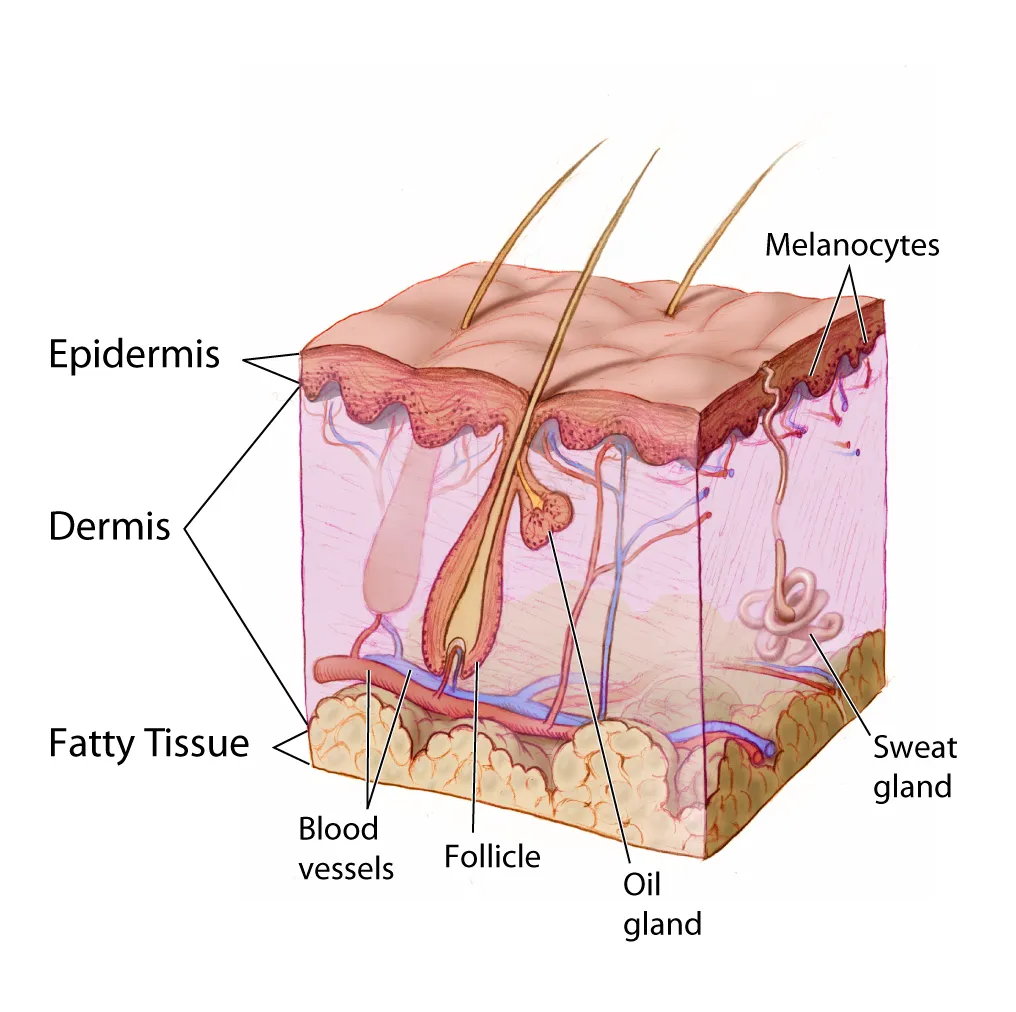
Collagen is one of its principal structural components.
Type I collagen provides tensile strength, while type III collagen contributes to the architecture and organisation of connective tissue. With ageing, collagen synthesis declines, collagen degradation increases and the organisation of the extracellular matrix becomes progressively altered.
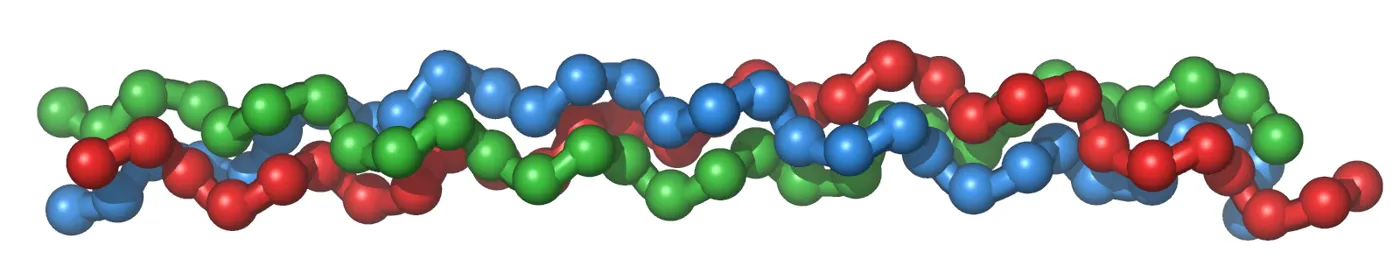
The result is a reduction in tissue support, changes in dermal thickness and the development of laxity and volume loss.
Sculptra works by stimulating a biological response within this environment.
Following injection:
- Microparticle deposition
The PLLA microparticles are distributed within the intended tissue plane. Their physical presence initiates a localised, controlled inflammatory and wound-healing response. - Cellular recruitment and activation
Cells involved in tissue repair, including macrophages and fibroblasts, interact with the implanted material. This cellular response is an important component of the mechanism of PLLA biostimulation. - Fibroblast activity
Fibroblasts are responsible for synthesising and maintaining components of the extracellular matrix, including collagen. Their activity contributes to the formation of new connective tissue around the implanted microparticles. - Collagen neosynthesis
New collagen is deposited progressively within the treated tissue. This process contributes to increased dermal thickness, improved tissue support and gradual restoration of volume. - Polymer degradation and tissue remodelling
PLLA undergoes hydrolytic degradation over time, ultimately breaking down into smaller molecules which enter normal metabolic pathways. The polymer is gradually eliminated, while the newly formed collagen contributes to the resulting tissue architecture.
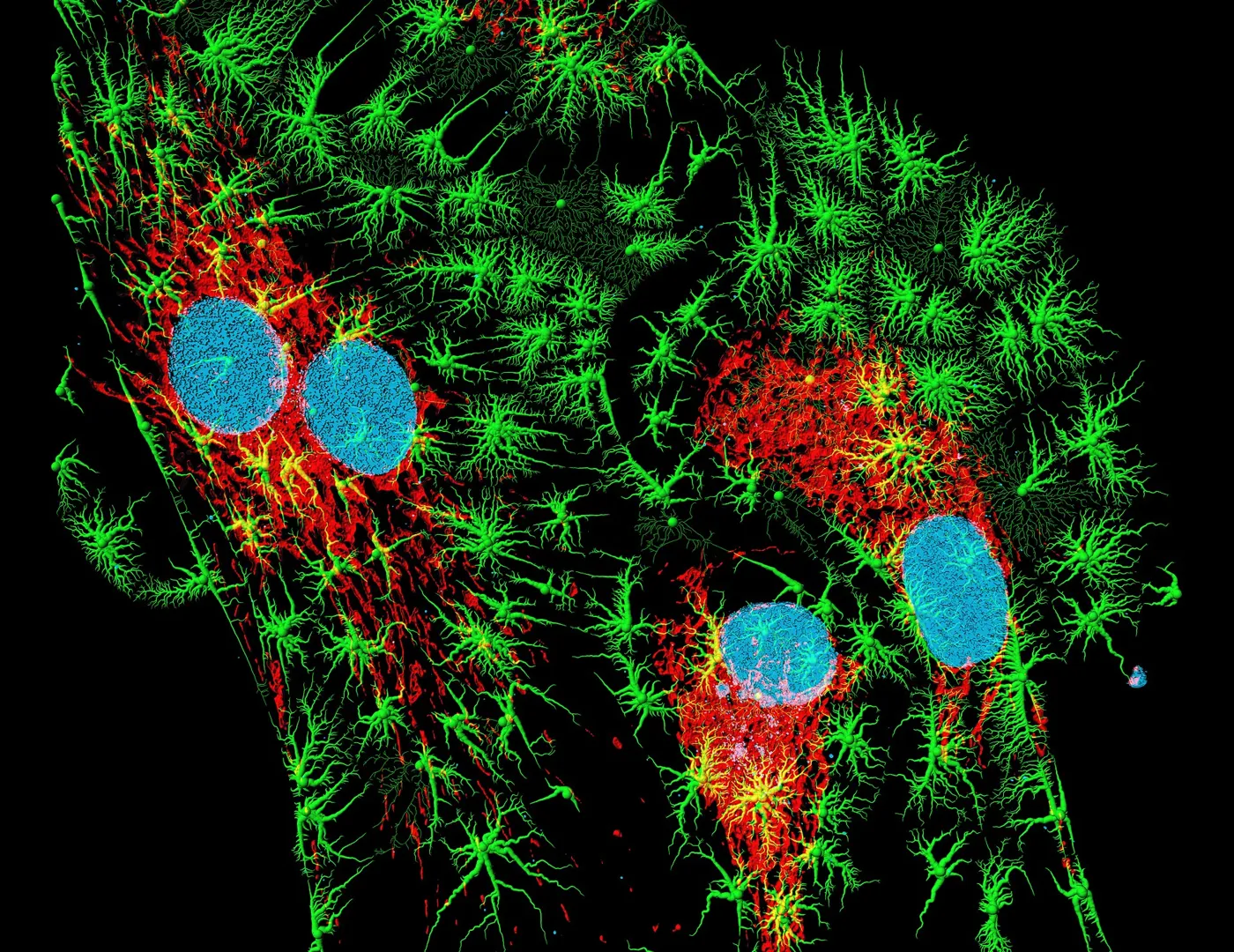
The important point is that the aesthetic result is not simply the volume of material injected. It is the biological response that follows.
This is why results develop progressively over weeks and months rather than being fully apparent immediately after treatment.
4. Why the results are gradual — and why patience matters
One of the defining characteristics of Sculptra is its delayed onset of effect.
Immediately following treatment, any visible volume may partly reflect the injected suspension, fluid and temporary tissue swelling. This should not be confused with the eventual collagen-mediated result.
The biological response takes time.

Collagen synthesis, deposition, organisation and subsequent remodelling are progressive processes. Consequently, treatment is generally approached as a course of carefully assessed sessions rather than an attempt to achieve maximum correction in one appointment.
This is also why overcorrection is particularly undesirable.
The clinician must anticipate that tissue augmentation will continue to develop after the initial injection. Adding excessive material in pursuit of an immediate result risks creating an outcome that becomes increasingly disproportionate as collagen deposition progresses.
Good treatment requires an understanding of biological timing, not simply an ability to inject.
5. The most important distinction: Sculptra cannot be dissolved
This is arguably the most important information a patient should understand before proceeding.
Hyaluronic acid fillers can, in appropriate circumstances, be degraded using hyaluronidase. This enzyme breaks down hyaluronic acid and provides clinicians with an important intervention when managing certain unwanted outcomes or complications.
Sculptra is fundamentally different.
PLLA is a synthetic polyester polymer. Hyaluronidase does not break down poly-L-lactic acid microparticles.
There is currently no equivalent enzyme injection that can simply dissolve Sculptra and return the treated tissue to its pre-treatment state.
It is important to distinguish between two concepts:
- Biodegradable: the material progressively breaks down through biological and metabolic processes.
- Reversible: the material or its effects can be deliberately and predictably removed or reversed when required.
This distinction matters enormously.
If an undesirable aesthetic result develops, if a patient becomes dissatisfied, or if a complication occurs, the clinician cannot simply dissolve the implanted material.
Management may require observation, medical treatment, specialist assessment, intralesional medication, procedural intervention or, in selected persistent cases, surgical excision.
Even when the polymer has substantially degraded, the tissue response it has initiated cannot necessarily be reversed.
The newly deposited collagen does not come with an on/off switch.
6. Understanding the potential complications
Sculptra has an established clinical history and can produce excellent outcomes when used appropriately. Nevertheless, it is not without risk.
Its biostimulatory mechanism is precisely what makes it different from conventional fillers, and this mechanism also helps explain some of its potential complications.
Subcutaneous papules and nodules
One recognised complication is the development of small palpable or visible lumps beneath the skin.
These may arise when particles are distributed unevenly, when the product is placed too superficially, or when local tissue responses result in concentrated areas of material or collagen deposition.
Nodules can develop weeks or months after treatment and may occasionally present considerably later.
Some are asymptomatic and only detectable on palpation. Others may be visible, palpable or associated with changes in skin contour.
Importantly, a nodule is not necessarily a granuloma. The distinction matters because the underlying pathology and appropriate management may differ.
Foreign-body granulomatous reactions
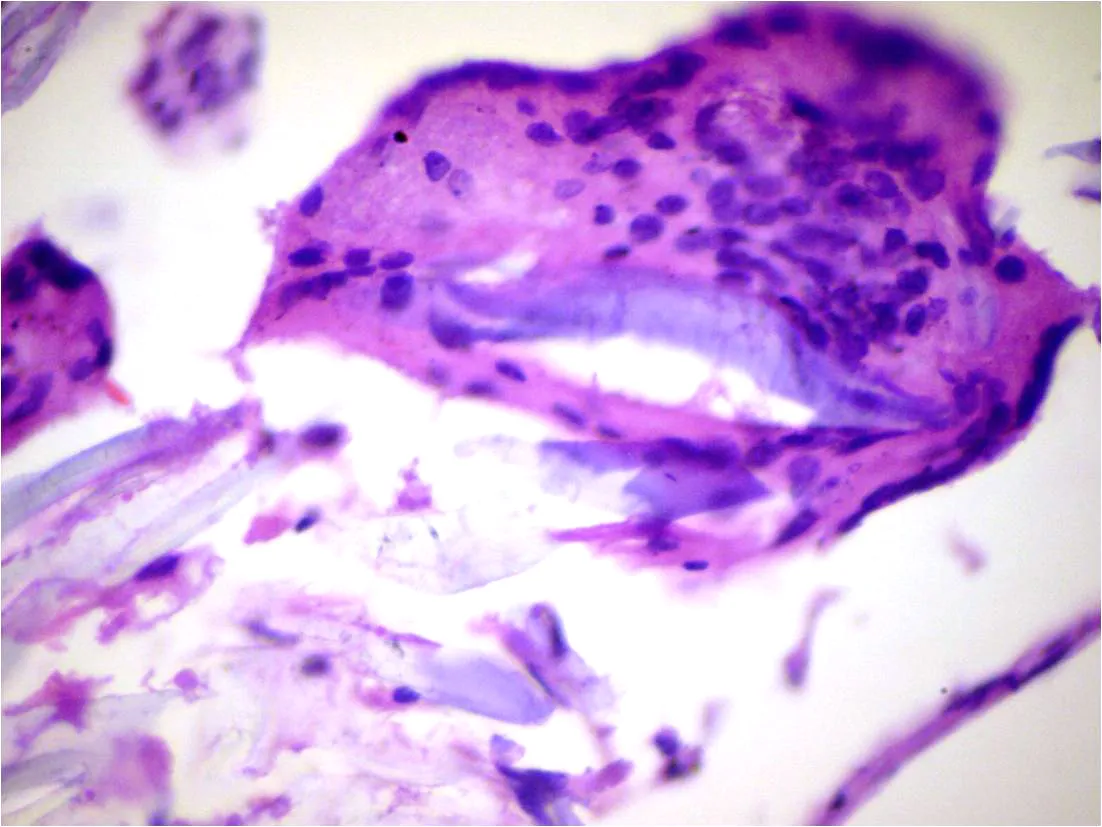
A granuloma is a form of organised inflammatory response in which immune cells, particularly macrophages and multinucleated giant cells, aggregate around material perceived as foreign.
Although PLLA is biocompatible and biodegradable, it is still a synthetic implanted material.
In some circumstances, the local immune response can become excessive, prolonged or dysregulated, resulting in granulomatous inflammation.
These reactions may present as persistent nodules, swelling, tenderness, erythema or changes in the overlying skin.
They can occur months after treatment and, in some reported cases, more than a year later.
Their management can be challenging and may require specialist medical intervention.
Delayed inflammatory reactions
Another important consideration is that complications are not necessarily confined to the immediate post-treatment period.
Inflammatory reactions, nodules and granulomas may occur with delayed onset.
This is particularly important when patients assume that the absence of an immediate adverse reaction means that the treatment has been entirely problem-free.
A patient may initially achieve an excellent result and subsequently develop an inflammatory or nodular complication.
Vascular complications

As with other injectable products, inadvertent intravascular injection presents a serious risk.
Vascular occlusion can result in tissue ischaemia, infarction and, in certain anatomical circumstances, potentially severe complications.
Anatomical knowledge, appropriate patient assessment, product-specific injection training and the ability to recognise and respond to complications are essential.
The fact that a product stimulates collagen does not make its injection biologically or anatomically straightforward.
7. Why the fact that Sculptra is biodegradable does not make it risk-free
There is sometimes an assumption that biodegradable materials are inherently less concerning than permanent implants.
This is an oversimplification.
Biodegradability describes what eventually happens to the implanted material. It does not guarantee that the biological response occurring during its presence will always be predictable or uncomplicated.
The manufacturer's product information reports that Sculptra may take 18 months or longer to degrade and disappear. Product remnants have been identified in skin biopsies for up to 28 months following injection.
This is a significant consideration.
It means that the biological interaction between the implanted material and the surrounding tissue may extend well beyond the period during which a patient considers themselves to be undergoing treatment.
Furthermore, the consequences of an inflammatory response may persist independently of the material itself.
This is why long-term thinking is essential when considering PLLA treatments.
8. Why patient selection and anatomical expertise are critical
Sculptra should never be approached as a universal solution for facial ageing or volume loss.
A detailed medical and aesthetic assessment should consider:
- The patient's underlying facial anatomy and tissue characteristics.
- Existing volume distribution and the quality of the soft-tissue envelope.
- Previous dermal filler and biostimulator treatments.
- Previous complications, inflammatory conditions and relevant medical history.
- The presence of active infection or inflammation in the intended treatment area.
- Contraindications and relevant precautions specified in the manufacturer's instructions.
- The patient's expectations, suitability and ability to understand the limitations of treatment.
Previous injectable treatments are particularly important.
A clinician should establish what materials have previously been introduced, where they were placed and whether any residual product or unresolved complications remain.
The face is not an isolated collection of treatment zones. It is an interconnected anatomical structure containing multiple tissue planes, vascular networks, retaining ligaments, fat compartments and important neurovascular structures.
An intervention that stimulates collagen in one region may influence the local tissue architecture in ways that need to be anticipated and carefully managed.
This is why a detailed understanding of anatomy and tissue behaviour is just as important as familiarity with the product itself.
9. The responsibility does not end when the injection is complete
A responsible Sculptra treatment should involve more than the administration of a product.
It requires an appropriate consultation, informed consent, accurate documentation, a treatment plan, clear aftercare and an appropriate follow-up pathway.
Patients should understand:
- That the results are gradual and cannot be judged immediately.
- That multiple treatment sessions may be required.
- That over-treatment is difficult to correct.
- That the product cannot be dissolved using hyaluronidase.
- That complications may develop after an apparently uncomplicated initial recovery.
- That certain complications can require prolonged or specialist management.
Photographic documentation and a record of the product, batch number, quantity, anatomical sites and injection details are also important elements of good clinical practice.
Patients should have access to a clinician who can assess delayed symptoms rather than being left to navigate an unexpected complication alone.
This is particularly relevant for a product whose biological effects develop over an extended period.
10. A more considered approach to biostimulation
At SE1 Medical Aesthetics, we believe that advances in aesthetic medicine should be accompanied by an equally sophisticated understanding of the underlying science and clinical responsibility.
Collagen biostimulation offers an interesting approach to tissue rejuvenation because it works through biological processes rather than relying solely on immediate volume replacement.

However, the sophistication of a treatment should never be confused with simplicity of use.
Sculptra is an injectable implant. It initiates a biological response that cannot simply be switched off, and its effects cannot be reversed in the same way as those of a hyaluronic acid filler.
This does not make it an inappropriate treatment. It makes appropriate clinical judgement essential.
The best aesthetic outcome is not necessarily achieved by introducing the greatest quantity of product, treating the greatest number of areas or pursuing the most dramatic change.
It is achieved through understanding the patient's anatomy, respecting tissue biology, selecting the right intervention and recognising when restraint is the most appropriate clinical decision.
Sculptra at SE1 Medical Aesthetics, London Bridge
At our clinic on Mill Street, SE1, a short walk from London Bridge and Tower Bridge, Sculptra® is carried out by specialised aesthetic doctors only. Every treatment begins with a consultation, where your doctor assesses your anatomy, medical history and any previous injectable treatments, and advises whether Sculptra is right for you and how many vials may be appropriate. Sculptra is £600 per vial.
You can read more about the treatment, the results and how to book on our Sculptra page.
Conclusion: Respect the biology, respect the implant
Sculptra represents an important development in regenerative and biostimulatory aesthetic medicine. Its history, beginning with the treatment of HIV-associated facial lipoatrophy, demonstrates the genuine medical potential of PLLA as a tissue-stimulating biomaterial.
Its ability to encourage progressive collagen formation offers an alternative approach to addressing age-related changes in tissue quality and structural support.
But its mechanism of action must be understood in its entirety.
It is a synthetic, biodegradable injectable implant. It cannot be dissolved with hyaluronidase. Its effects are gradual, its biological response can persist, and certain complications may be delayed and challenging to manage.
In aesthetic medicine, the responsibility of a clinician should never be measured solely by the ability to deliver a treatment, but by the ability to understand its biological consequences, anticipate its risks and manage its complications.
That is the distinction between administering an injectable and practising responsible medical aesthetics.
Frequently asked questions about Sculptra
What is Sculptra?
Sculptra® is an injectable implant made by Galderma containing poly-L-lactic acid (PLLA) microparticles. It is a collagen stimulator (biostimulator) rather than a hyaluronic acid filler: it initiates a controlled tissue response that leads to new collagen being formed, so results develop gradually over weeks and months.
Can Sculptra be dissolved like filler?
No. Hyaluronidase, the enzyme used to dissolve hyaluronic acid fillers, does not break down poly-L-lactic acid, and there is currently no equivalent injection that can dissolve Sculptra. It is biodegradable, but it is not readily reversible.
How long does Sculptra stay in the skin?
The manufacturer reports that Sculptra may take 18 months or longer to degrade and disappear, and product remnants have been identified in skin biopsies for up to 28 months after injection.
Why was Sculptra first developed?
PLLA was first used in Europe as New-Fill and was approved by the US FDA in August 2004 to restore facial fat loss (lipoatrophy) in people with HIV. An aesthetic indication for facial wrinkles and contour deficiencies followed in July 2009.
What are the risks of Sculptra?
Recognised complications include papules and nodules under the skin, foreign-body granulomas, delayed inflammatory reactions that can appear months later, and vascular complications from inadvertent injection into a blood vessel. This is why assessment and treatment by an experienced doctor matter.
How long do Sculptra results take to appear?
Results are gradual because they depend on new collagen forming. Treatment is usually a course of carefully assessed sessions, and overcorrection is avoided because collagen deposition continues after each injection.
Where can I have Sculptra near London Bridge?
At SE1 Medical Aesthetics on Mill Street, London SE1, Sculptra is carried out by specialised aesthetic doctors only, at £600 per vial, following a consultation.
Scientific references and further reading
- Moyle GJ et al. (2004). A randomized open-label study of immediate versus delayed polylactic acid injections for the cosmetic management of facial lipoatrophy in persons with HIV infection. HIV Medicine. 5(2):82–87. DOI: 10.1111/j.1468-1293.2004.00190.x.
- Moyle GJ et al. (2006). Long-term safety and efficacy of poly-L-lactic acid in the treatment of HIV-related facial lipoatrophy. HIV Medicine. 7(3):181–185. DOI: 10.1111/j.1468-1293.2006.00342.x.
- Carey DL et al. (2007). A randomized, multicenter, open-label study of poly-L-lactic acid for HIV-1 facial lipoatrophy. Journal of Acquired Immune Deficiency Syndromes. 46(5):581–589. DOI: 10.1097/QAI.0b013e318158bec9.
- Barton SE, Engelhard P, Conant M. (2006). Review of clinical studies of PLLA for HIV-associated facial lipoatrophy. International Journal of STD & AIDS. 17(7):429–435.
- Kates LC, Fitzgerald R. (2008). PLLA injection for HIV-associated facial lipoatrophy: treatment principles, case studies and literature review. Aesthetic Surgery Journal. 28(4):397–403.
- Lafaurie M et al. (2013). Randomised controlled trial comparing polylactic acid with polyacrylamide hydrogel for facial lipoatrophy. HIV Medicine. 14(7):410–420.
- Galderma. Sculptra Instructions for Use. Product composition, indications, precautions, adverse events and degradation information.
- US Food and Drug Administration. Sculptra regulatory approval and prescribing information.
This article is intended for medical education and patient information. Treatment suitability, indications and injection protocols should always be assessed against the current UK product instructions and individual clinical circumstances.
Image credits: red ribbon by Gary van der Merwe (CC BY-SA 3.0); Chelsea and Westminster Hospital by Shadowssettle (CC BY-SA 4.0); collagen triple helix (CC BY-SA 3.0); fibroblasts by Heiti Paves (CC BY-SA 3.0); giant cell by the Department of Pathology, Calicut Medical College (CC BY-SA 4.0); all via Wikimedia Commons. Sculptra® images courtesy of Galderma.